S ettling In
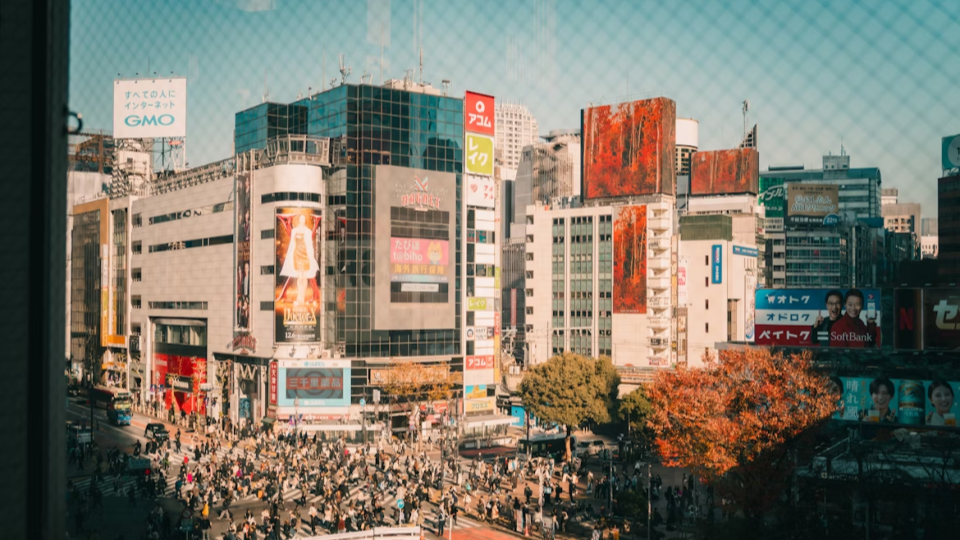
A month ago, I moved from Indonesia to Japan. I’ll share the full story of why another time, if I ever sit down long enough to write it, haha.
For now, I want to talk about the move itself - what I did before flying out, what happened right after landing, and how I finally found a long-term apartment.
I’m lucky - my company supported the relocation end to end. They partnered with a local agency that guided me through everything, from pre-departure prep and airport arrival to the first six weeks of life in Japan. That help was huge.
Three months out
Right after signing the offer letter, the clock started. I had roughly three months until departure, and the first big task was a background check.
This varies by company - some do it before the offer. In my case, it happened afterward and was pretty comprehensive.
It was a bit different from checks I’d done in Indonesia. I didn’t have to provide references directly. Instead, they contacted my former employers themselves to confirm the dates I’d worked.
Pro tip: know your exact start and end dates. If you’ve forgotten, your employment letter helps. I even tripped up on my graduation date because I only remembered the month and year.
Once the background check cleared, I submitted documents for my Certificate of Eligibility (CoE). CoE is basically proof that I’m allowed to stay long-term with company sponsorship. This included a passport photo and a set of forms my HR provided.
They also processed a CoE for my wife. Timelines vary (I’d heard 3–6 weeks and some folks wait longer), but mine came through in about three weeks and landed in my email inbox.
With the CoE in hand, the next step was the work visa. This part got a little dramatic: I had to apply in the city listed on my KTP, which Surabaya, while I was living in Depok. So I flew to Surabaya for a day just to submit the application. Thankfully, my passport and visa were later mailed to my address in Depok, so I didn’t need a second trip.
After the visa was issued, the paperwork phase was basically done. I sent scans of my passport and visa to the company, and they booked flights for me and my wife. Huge relief (and huge thanks).
One month before departure
Around a month before flying, the partner agency reached out for an intro call. I secretly hoped we’d already be picking apartments, but nope, that’s usually done about a week before moving in, especially for foreigners.
Apartment supply is tight, many landlords prefer locals, and other newcomers are hunting the same listings.
Meanwhile, I handled my side of the prep: important personal documents (diplomas, family card, birth certificates, the usual suspects), a packing list, and time with family and relatives before leaving. We also already had our flight tickets by then, so everything started to feel real.
The first 15 days in Japan
Touchdown day!
I wasn’t excited about Japan itself (I’ve visited three times as a tourist), but I was excited to arrive as a resident. At the airport, I showed my CoE and passport and received my zairyū card (the resident card for mid-to-long-term stays).
Another big help: a driver picked us up and took us to our temporary housing, so I didn’t have to wrestle suitcases on trains or buses. The temp place was a hotel in one of Tokyo’s business districts, and we had 45 days there. The idea was to set up our lives early while we hunted for a long-term place.
A few days in, I did the essentials with help from the company: ward office registrations and opening a bank account. Even though the company provided a SIM for work, I also bought a personal SIM.
One week after arrival, we started the apartment hunt with the agency. We toured a handful of places and decided on one the same day. We found something we really liked in terms of space, neighborhood, and price.
Outside the paperwork, I set up digital app: PayPay for payments, Amazon for deliveries, furniture shopping, and short weekend walks to get to know the area.
One month in
Before the hotel stay ended, we secured our long-term apartment, and then everything got hectic. We bought a ton of essentials: mattress, fridge, gas stove, microwave, a work desk and chair, monitor, ceiling lights (yep, Japanese apartments are often truly empty), and all the small bits that make a place livable.
If I get the chance, I’ll write another post breaking down costs from the first weeks until that first paycheck. Thankfully, I did receive a relocation allowance, which super-helped a lot.
The move itself wasn’t exactly smooth. I did it by hand with suitcases and bags, going back and forth four times. No moving service.
Once we settled, there was another round of paperwork: registering at the new ward office, filing the moving-out procedure at the old ward, and updating addresses everywhere, such as HR systems, PayPay, Amazon, my SIM provider, and more.
Addresses matter a lot here because physical mail is still a big part of how things work.
Lessons learned
If I could rewind time (haha), here’s what I’d change:
- Bring more cash. As much as you comfortably can. I had to withdraw yen from an Indonesian account a few times and the exchange rate wasn’t friendly. Using an Indonesian debit card also meant extra fees.
- Bring Indonesian coffee. Personal taste, but I find Japanese coffee a bit less satisfying. Having a stash from home is a tiny joy that goes a long way.
That’s the story of how we got from “offer signed” to “keys in hand.” If you’re planning a similar move, I hope this gives you a realistic picture of the timeline and the little things that make a big difference.